Torn ligaments in shoulder can cause pain, swelling, weakness, reduced movement, or a feeling that the joint is unstable. The exact symptoms depend on which ligament is injured and how severe the tear is.
One important point is that the shoulder contains several joints and ligament groups. A tear around the acromioclavicular (AC) joint can cause pain and a visible bump on top of the shoulder, while an injury involving the glenohumeral ligaments may be associated with shoulder instability after a dislocation.
Also, a rotator cuff tear is different from a shoulder ligament tear. The rotator cuff consists of tendons that connect muscles to the upper arm bone; it is not itself a ligament. However, rotator cuff injuries can cause similar symptoms, which is why an accurate diagnosis matters.
Medical note: This article is for general education and cannot diagnose a shoulder injury. If you have significant pain, deformity, weakness, numbness, or suspected dislocation after an injury, seek medical evaluation.
What Does a Torn Ligaments in Shoulder Feel Like?
A torn shoulder ligament may feel different depending on the structure involved.
Common symptoms include:
- Shoulder pain after an injury
- Pain when moving or lifting the arm
- Tenderness around the injured area
- Swelling or bruising
- Reduced range of motion
- Weakness caused by pain or instability
- A feeling that the shoulder is loose or unstable
- Clicking, popping, or catching in some cases
- A visible bump over the top of the shoulder after an AC joint injury
A significant AC/CC ligament injury can produce a noticeable prominence where the collarbone meets the shoulder blade. Less severe injuries may simply cause tenderness and pain with overhead or cross-body movements.
If the injury followed a shoulder dislocation, the main complaint may be a feeling that the shoulder could “slip out” again rather than pain alone.
Where Are the Ligaments in the Shoulder?
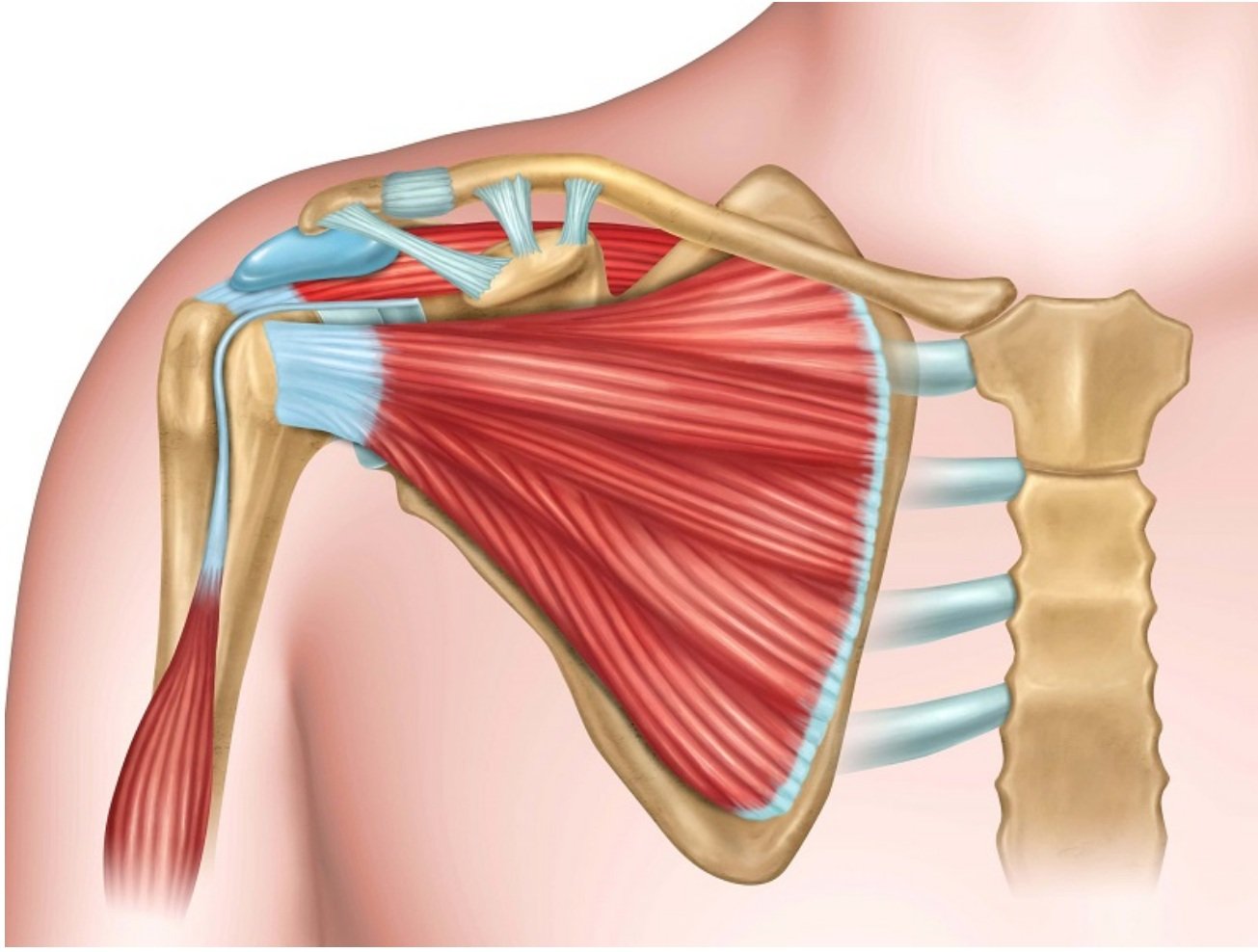
The shoulder is not one single joint. Several articulations work together, including the acromioclavicular (AC), glenohumeral (GH), and sternoclavicular joints, along with the scapulothoracic articulation.
Important ligament structures include:
Acromioclavicular ligaments
These stabilize the AC joint between the acromion and clavicle.
An injury here is commonly called an AC joint sprain or shoulder separation.
Coracoclavicular ligaments
The coracoclavicular complex includes the conoid and trapezoid ligaments. These provide important vertical stability between the clavicle and coracoid.
A more severe AC separation can involve both the AC and CC ligaments.
Glenohumeral ligaments
The glenohumeral ligament complex includes:
- Superior glenohumeral ligament
- Middle glenohumeral ligament
- Inferior glenohumeral ligament
These help stabilize the ball-and-socket glenohumeral joint. The inferior glenohumeral ligament complex is particularly important for stability.
Sternoclavicular ligaments
These support the joint connecting the clavicle to the sternum. Significant sternoclavicular injuries, particularly posterior dislocations, can be serious because important structures lie behind the joint.
Torn Shoulder Ligament vs Rotator Cuff Tear
This distinction deserves its own section because the terms are often confused.
| Injury | Tissue involved | Typical problem |
| Shoulder ligament tear | Ligament connecting bone to bone | Instability, pain, joint separation |
| Rotator cuff tear | Tendon connecting muscle to bone | Pain and weakness with lifting/rotation |
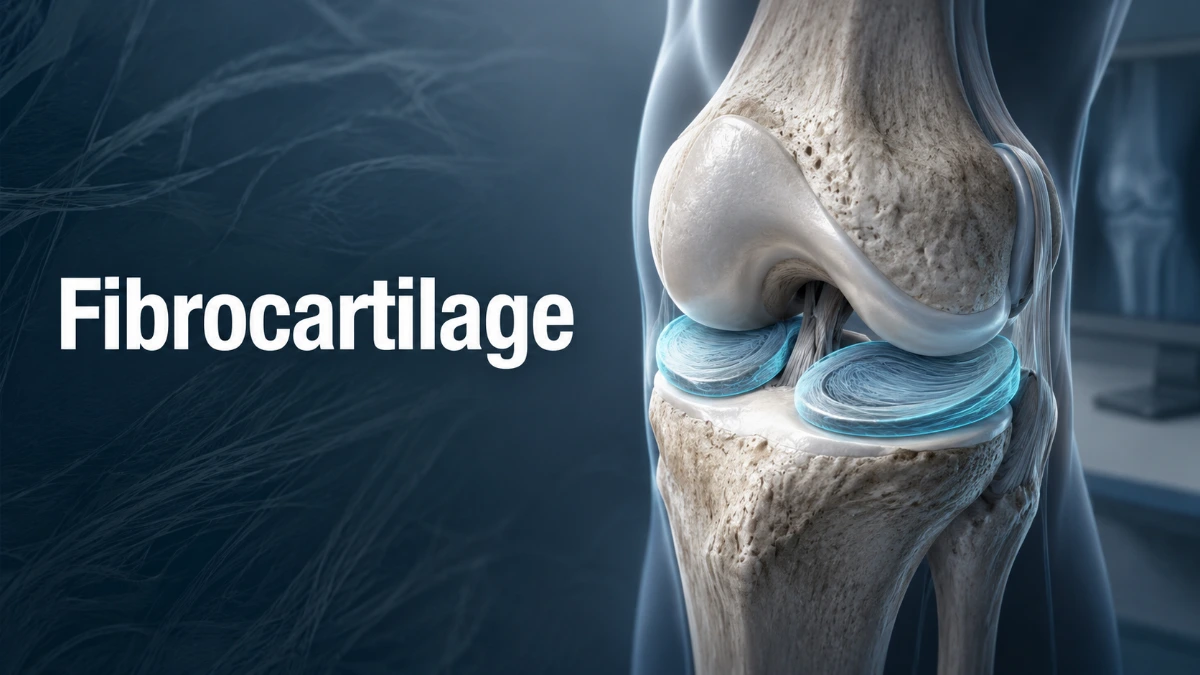
| Labral tear | Fibrocartilage around the socket | Catching, clicking, instability |
| Shoulder dislocation | Joint surfaces lose normal alignment | Severe pain, deformity, instability |
A person can also have more than one injury at the same time.
For example, a shoulder dislocation can be associated with labral damage, ligament injury, cartilage injury, or bony injury.
That is why simply matching your symptoms to an online checklist cannot reliably tell you which structure is torn.
What Causes Torn Ligaments in the Shoulder?
Shoulder ligament injuries can result from either a sudden traumatic event or repeated stress.
Common causes include:
1. Falling directly onto the shoulder
A direct impact can injure the AC joint and surrounding ligaments. This is one of the classic mechanisms behind an AC separation.
2. Contact sports
Football, hockey, rugby and other collision sports can expose the shoulder to direct impact.
3. Falling on an outstretched arm
A fall onto the hand or arm can transmit force into the shoulder and contribute to instability or other shoulder injuries.
4. Shoulder dislocation
A dislocation can damage structures responsible for maintaining shoulder stability, including the glenohumeral ligament complex.
5. Repetitive overhead activity
Repeated overhead movements can place stress on shoulder tissues, although repetitive shoulder pain does not automatically mean a ligament has torn.
What Are the Grades of a Shoulder Ligament Tear?
Ligament injuries are commonly described by severity:
Grade 1
The ligament is stretched with microscopic or minor fiber damage. The joint generally remains stable.
Grade 2
There is a partial ligament tear with some loss of structural integrity. Pain and functional limitation are usually greater, and some instability may occur.
Grade 3
The ligament is completely torn or disrupted. Depending on the specific ligament, this can cause significant joint instability or separation.
However, grading alone does not determine treatment. The exact ligament, joint stability, associated injuries, activity demands, and imaging findings all matter.
What Are the Symptoms of a Torn Shoulder Ligament?
Symptoms vary, but the most common include:
Pain
Pain may occur immediately after trauma or develop as swelling and inflammation increase.
Swelling and bruising
These are especially common after acute traumatic injuries.
Reduced movement
Lifting the arm overhead or moving it across the body may become painful.
Shoulder instability
Some people describe the shoulder as loose, slipping, or feeling as though it could come out of place.
Weakness
A ligament injury can make the shoulder feel weak, although weakness can also result from a rotator cuff or nerve injury.
Visible deformity
A bump over the top of the shoulder is particularly suggestive of an AC joint separation.
AC Joint Separation: A Common Shoulder Ligament Injury
An AC joint separation occurs when the ligaments supporting the acromioclavicular joint are stretched or torn.
A common mechanism is a direct blow to the shoulder, which pushes the acromion downward relative to the clavicle. More severe injuries can also disrupt the coracoclavicular ligaments.
Typical symptoms include:
- Pain on top of the shoulder
- Tenderness over the AC joint
- Pain with overhead movement
- Pain when reaching across the body
- Swelling
- A visible bump in more severe injuries
Not every AC separation requires surgery. Treatment depends on the injury grade, symptoms, stability and functional demands.
How Is a Torn Shoulder Ligament Diagnosed?
Diagnosis starts with a detailed history and physical examination.
A clinician may ask:
- How did the injury happen?
- Did you fall directly onto the shoulder?
- Was the arm extended during the injury?
- Did the shoulder dislocate?
- Did you hear or feel a pop?
- Can you lift the arm?
- Does the shoulder feel unstable?
The examiner may assess:
- Tenderness
- Swelling
- Range of motion
- Strength
- Joint stability
- Neurovascular function
- Differences between the injured and uninjured shoulder
X-ray
X-rays are commonly used after acute shoulder trauma to evaluate bones and joint alignment. They do not directly show most ligament tears, but they can identify fractures or changes in joint position.
MRI
MRI can provide detailed information about soft tissues and may be useful when the diagnosis is unclear or when deeper ligament, labral, tendon, or associated injuries are suspected.
Ultrasound
Ultrasound can be useful for selected shoulder soft-tissue problems, but its usefulness depends on the structure being evaluated and the operator’s expertise.
How Are Torn Ligaments in the Shoulder Treated?
Treatment depends on the specific ligament and severity of the injury.
Nonsurgical Treatment
Many shoulder injuries can initially be managed without surgery.
Treatment may include:
- Activity modification
- Short-term protection or sling use when appropriate
- Ice for symptom relief
- Pain medication when medically appropriate
- Physical therapy
- Gradual restoration of range of motion
- Progressive strengthening
- Return-to-activity progression
The goal is not simply to eliminate pain. Rehabilitation should restore useful shoulder movement, strength and stability.
Don’t immobilize the shoulder longer than necessary
A sling can be useful for comfort and protection after some injuries, but prolonged immobilization can contribute to stiffness. The appropriate duration should depend on the diagnosed injury and clinician’s instructions.
When Is Surgery Needed for a Torn Shoulder Ligament?
A torn shoulder ligament does not automatically mean surgery.
Surgery may be considered when there is:
- Significant or persistent instability
- Severe structural disruption
- Certain high-grade AC joint injuries
- Recurrent shoulder dislocation or instability
- Failure of appropriate nonsurgical treatment
- Associated injuries that require repair
- Functional demands that make persistent instability unacceptable
For example, current evidence continues to debate the best approach for some Rockwood type III AC injuries, while higher-grade injuries are more commonly considered for surgical management.
The decision should be individualized rather than based solely on the word “tear.”
What Is Shoulder Ligament Surgery Like?
Depending on the injury, surgery may involve arthroscopic or open techniques.
Procedures can include:
- Ligament repair
- Ligament reconstruction
- Reattachment of damaged tissue
- Stabilization of the AC joint
- Treatment of associated labral or tendon injuries
Shoulder arthroscopy uses small incisions and a camera to evaluate and treat certain internal shoulder problems. It can be used for selected ligament injuries, labral problems and recurrent instability.
The exact procedure depends entirely on the injured structure.
How Long Does a Torn Shoulder Ligament Take to Heal?
There is no single recovery time for every shoulder ligament tear.
A mild sprain may improve over several weeks, while a severe tear, recurrent instability or surgically repaired injury can require several months of rehabilitation.
Recovery depends on:
- Which ligament was injured
- Partial vs complete tear
- Whether the shoulder is stable
- Associated injuries
- Whether surgery was performed
- Age and general health
- Rehabilitation progress
- Work and sports demands
For example, published guidance on shoulder arthroscopy describes recovery milestones extending from several weeks to several months, with full recovery sometimes taking up to a year depending on the procedure and original injury.
So avoid judging recovery solely by a calendar. Pain, range of motion, strength and functional stability matter more than a fixed number of weeks.
Can a Torn Shoulder Ligament Heal on Its Own?
Some ligament injuries can be successfully managed without surgery, particularly when the joint remains adequately stable.
But “heal on its own” does not necessarily mean doing nothing.
Appropriate rehabilitation may be necessary to:
- Restore range of motion
- Improve shoulder strength
- Improve muscular control
- Reduce stiffness
- Restore function
- Reduce the risk of recurrent instability
More severe structural injuries may require orthopedic assessment and, in selected cases, surgical stabilization.
What Can You Do at Home for a Suspected Torn Shoulder Ligament?
Until you have a diagnosis, avoid activities that clearly worsen the injury.
For an acute injury, reasonable initial measures can include:
- Resting from aggravating activities
- Using ice for short periods to help with pain
- Supporting the arm if advised
- Avoiding heavy lifting
- Avoiding forceful overhead movements
- Seeking medical assessment when symptoms are significant
Don’t aggressively stretch or strengthen a freshly injured shoulder before the injury has been evaluated.
When Should You See a Doctor?
Get prompt medical attention after a significant shoulder injury if you have:
- Visible shoulder deformity
- Suspected dislocation
- Severe or rapidly increasing pain
- Major swelling
- Inability to move the arm normally
- Significant weakness
- Numbness or tingling
- A cold, pale, or unusually discolored hand
- Loss of normal circulation
- Severe pain following major trauma
A posterior sternoclavicular dislocation, for example, can threaten structures behind the joint and is considered an emergency.
Torn Shoulder Ligament vs Shoulder Dislocation
These conditions are related but not identical.
A shoulder dislocation means the joint surfaces have lost their normal alignment.
A ligament tear means the supporting ligament tissue has been stretched, partially torn or completely disrupted.
A dislocation can cause ligament damage, and ligament damage can contribute to instability and recurrent dislocation.
Frequently Asked Questions
What does a torn ligament in the shoulder feel like?
It can cause pain, tenderness, swelling, reduced movement and weakness. Some people also feel instability or a sensation that the shoulder may slip out of place.
Can you move your arm with a torn shoulder ligament?
Possibly. Some partial injuries still allow substantial movement, while severe injuries can make movement very painful or difficult. Being able to move the arm does not rule out a ligament injury.
Is a torn shoulder ligament serious?
It can be, especially if the injury causes significant instability, deformity, nerve or vascular symptoms, or recurrent dislocation. Severity depends on the specific ligament and extent of damage.
Does a torn shoulder ligament require surgery?
Not always. Some injuries respond well to rehabilitation and other nonsurgical care. Surgery is considered for selected severe injuries, persistent instability, recurrent dislocation, or failure of appropriate conservative treatment.
How long does a torn shoulder ligament take to heal?
Recovery varies from weeks to several months or longer depending on the ligament, severity, associated injuries and whether surgery is required.
What is the difference between a torn ligament and a rotator cuff tear?
A ligament connects bone to bone, while a tendon connects muscle to bone. The rotator cuff consists of tendons, so a rotator cuff tear is not technically a shoulder ligament tear.
Can a shoulder ligament tear heal without surgery?
Some can be managed successfully without surgery, particularly when the joint remains stable. Rehabilitation is often an important part of nonsurgical treatment.
What test shows a torn shoulder ligament?
The appropriate test depends on the suspected injury. X-rays help evaluate fractures and joint alignment, while MRI can provide detailed soft-tissue information. A physical examination is also essential.